
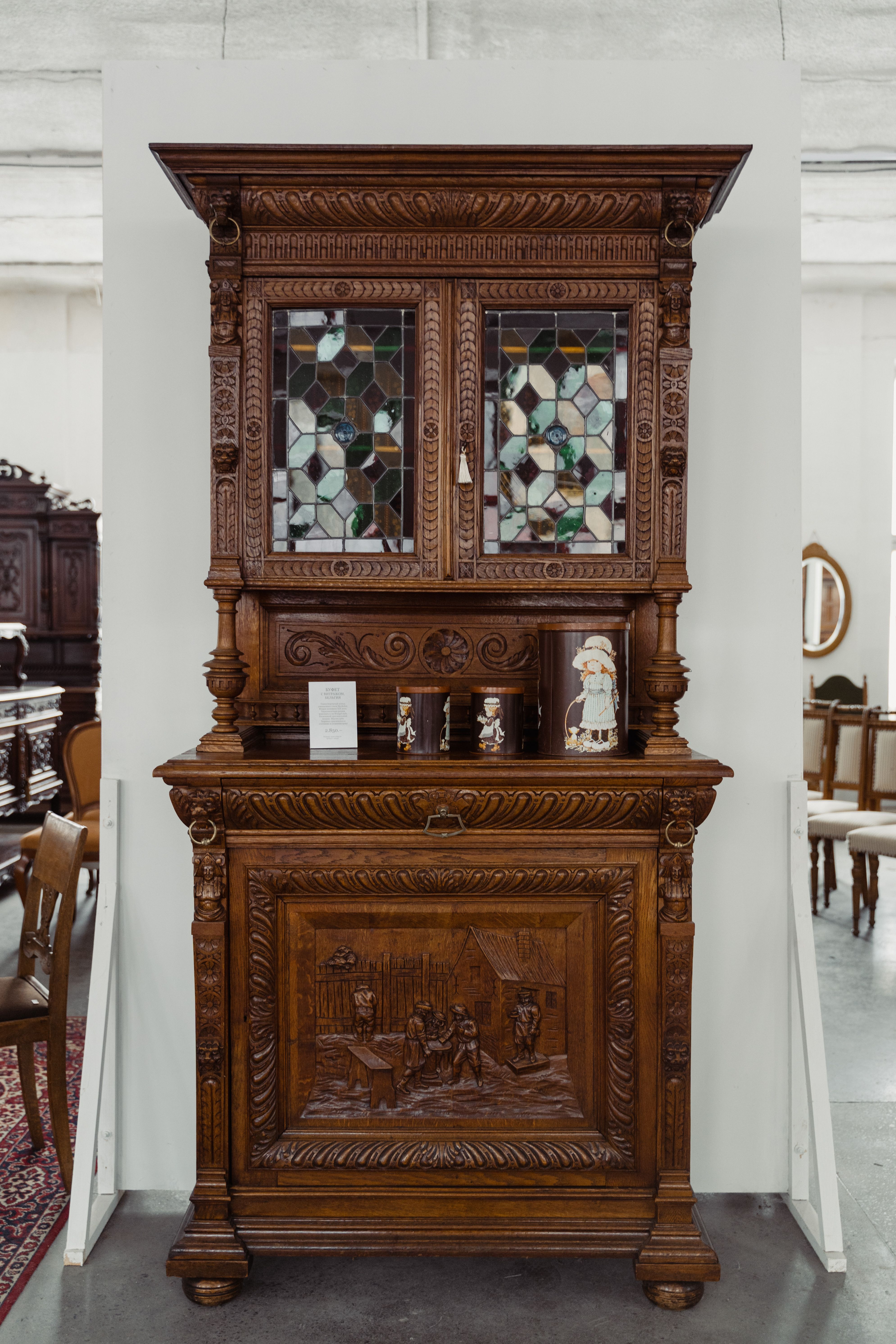
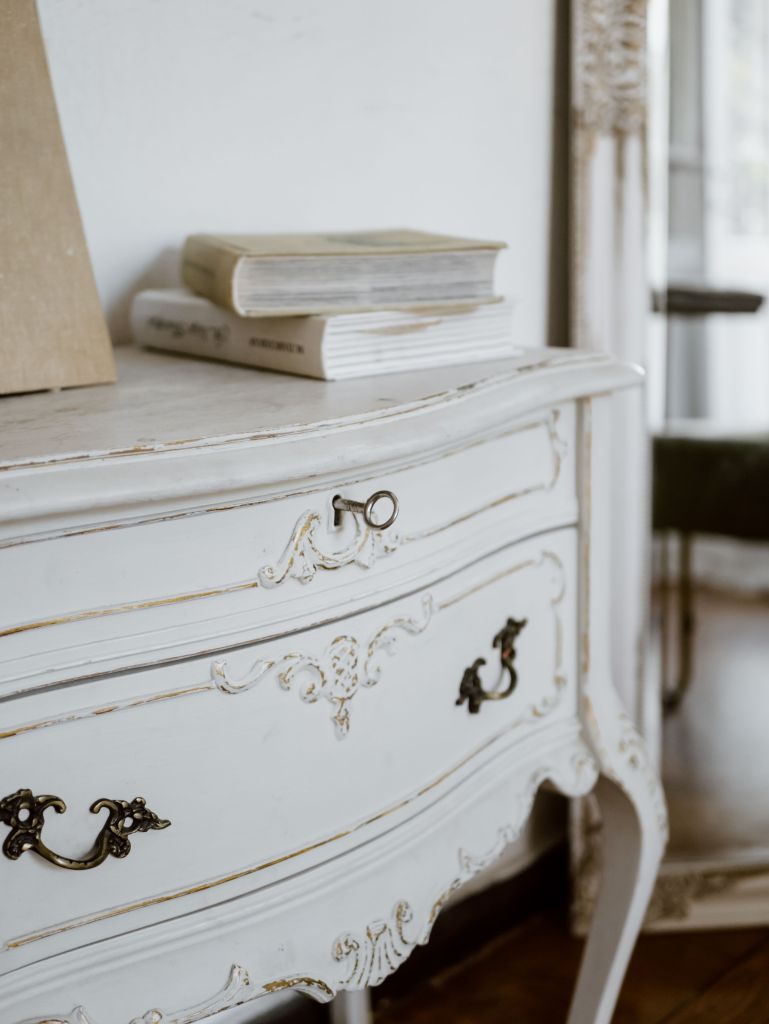
Years and years ago, my friend Jill and I took a class at the local community college on antique furniture. Over the course of several weeks we learned a lot about furniture making techniques and furniture construction. At the end of the semester the teacher asked everyone to bring the drawer from a piece of furniture that they owned so that the instructor could date the pieces. I brought a drawer from an end table that my father had made in shop class in roughly 1946. My dad loved this story because the professor actually put a date on the table circa 1860. Dad thought this was a hoot! The clues that were hidden in this piece of vintage furniture, because it was crudely made with primarily hand tools, had lead him astray. Dad was proud but the instructor was wrong.
But you don’t want this same thing to happen to you. Not if you’re buying something that’s billed as vintage (and paying the price a piece like this brings). So you’ll want to familiarize yourself with the clues hidden in vintage furniture that will help you determine if the piece is real or a reproduction.

Drawers Hold Many of The Clues Hidden in Vintage Furniture
If a piece of furniture, like my Dad’s end table, has a drawer, it’s a great place to look for clues. Dovetail drawer construction is harder and more expensive to accomplish. So drawers with this type of construction tend to be older or, at least, better made than their reproduction counterparts. The other thing an older piece may have is hand-planed drawer bottoms. Once you have the drawer out, look for roughly planed surfaces on the back. Uneven wood is a sign of age. And this unevenness is indicative of planing that was done by hand rather than by machine. Machine-made (reproduction) drawer bottoms are uniform and much smoother.

Surface Marks
As a woman of a certain age, I literally represent this remark! My skin and my body show surface marks from sun damage, birthing 3 babies, even drinking from straws (yes, look this one up here). The same can be said for true vintage furniture. Marks and wear should be evident in places that people touch often. Surfaces should show pitting and marks from years of people putting things atop of the furniture and generally using the furniture for what it was intended. What you shouldn’t see (but will with reproduction furniture) is even, purposeful markings. Reproduction furniture makers are experts at making things look old, but if you pay attention to the patterns that they mark these pieces with, their uniformity will give them away.

Foot Wear
Not to be confused with footwear, foot wear is another one of the clues hidden in vintage furniture. Tables, chests of drawers, really anything wooden and vintage should have foot wear. By that I mean the tell-tale signs of the piece having been moved around a lot, exposed to water and other floor cleaning products and even splitting due to the wood drying over time. Reproduction furniture will not show this wear-and-tear on its feet. Who knew? Right? But now you do.
Insider Tip: A reputable dealer, like Consignments Ltd. will never purposefully lead you astray. Working with companies and dealers you trust is the best way to know that what you’re getting is the real deal.
If you think someone else you know needs to know, feel free to share this blog via the bottoms below. Still up for some more reading? Check out my previous blogs like: Is It OK To Buy An Antique Reproduction? and Is Google Lens The Death of The Antique Dealer.



No Comments