
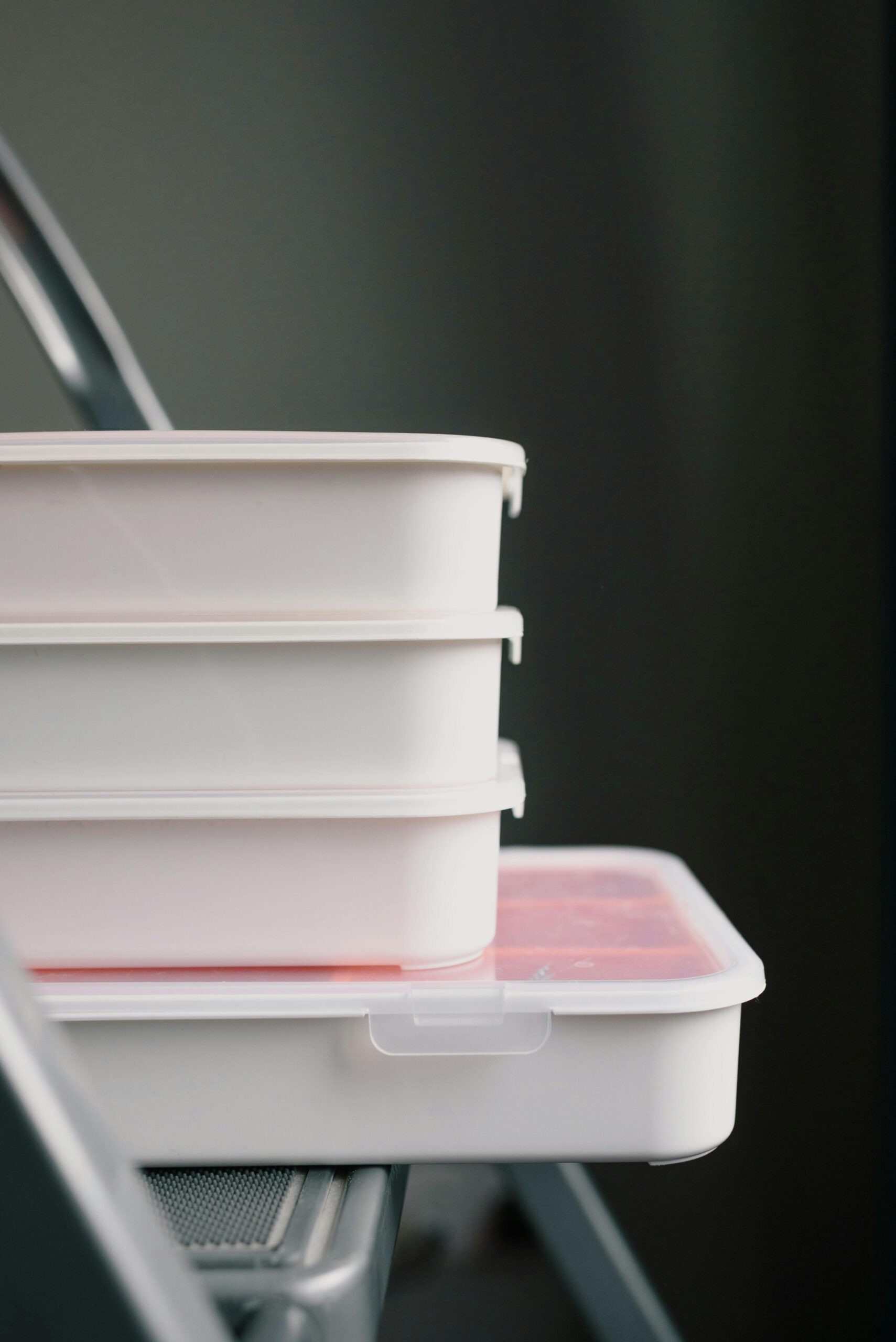
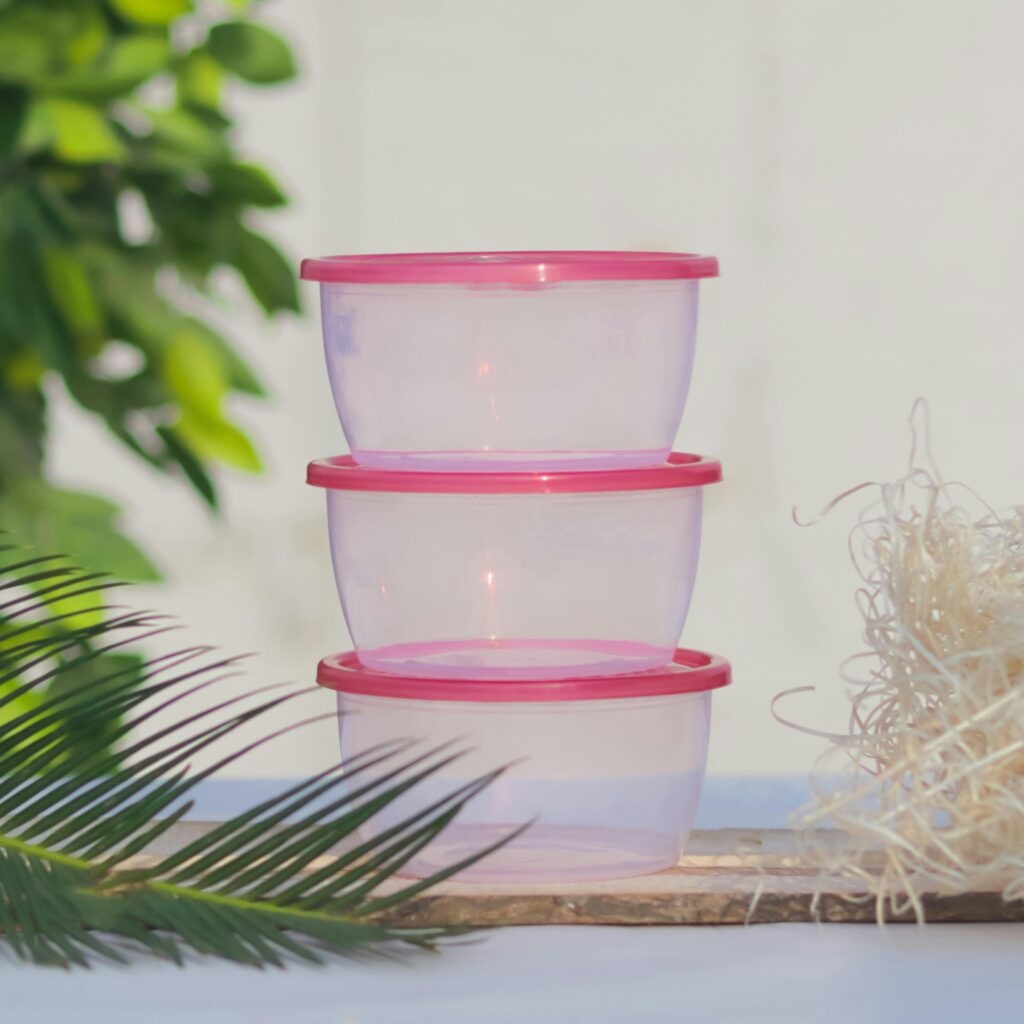
Here’s a quiz: how many plastic containers do you think you have in your home? I’m not just talking about in the kitchen, mind you, I’m talking about storage totes in the garage and under-bed containers. C’mon, give it a guess. At my house, I have, in strictly technical terms, a boatload. I’ve got out-of-season and holiday items in big totes. I have smaller plastic containers housing shoes and handbags in my closet. And then, of course, I still have some plastic in the kitchen. However, in a recent article in The Spruce, I learned that there are some things that you should not store in plastic. For example, did you know?
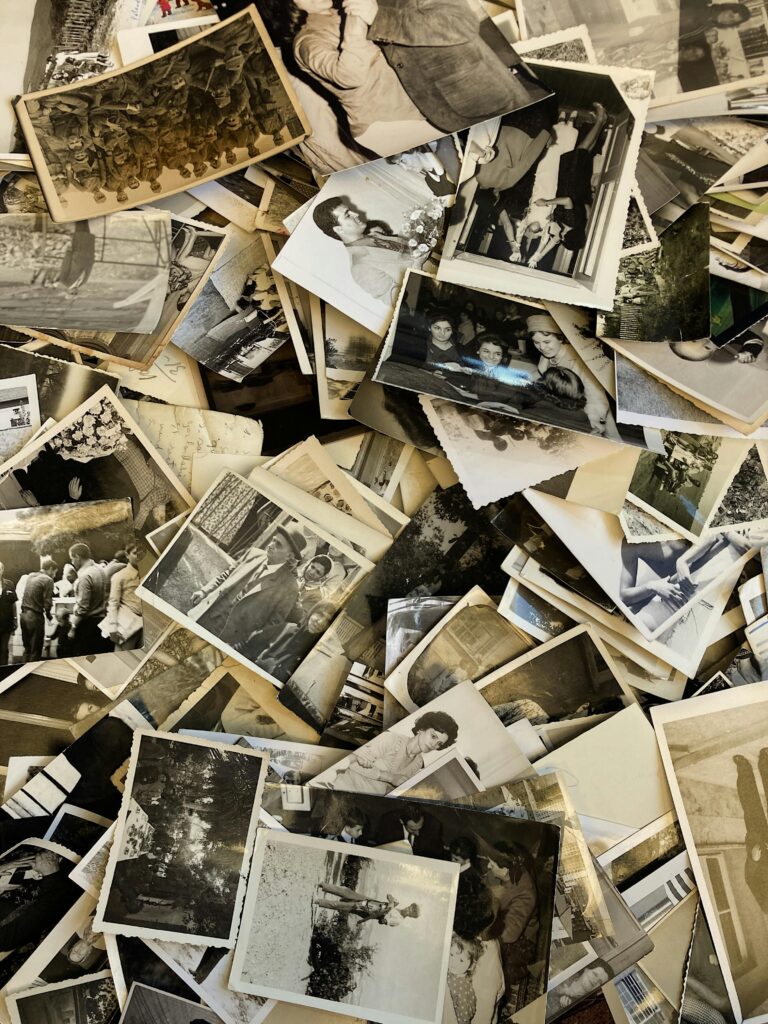
Photographs: An Item You Should Not Store in Plastic Containers
Guilty, as charged, on this one. I have at least three totes full of photographs in plastic totes. I’ve got one of my own and two that I inherited from my mom when she moved into assisted living. But this is a bad thing. Do you know why? Well, the temperature inside a plastic container can vary widely and this temperature differentiation is not good for photos. The photos stored this way may yellow over time, fade and even stick together. Oops. Not good. A better choice is acid-free storage boxes, at least for the ones you really want to keep instead of the 4000 pics of your Uncle Eddie standing in front of the world’s biggest frying pan.
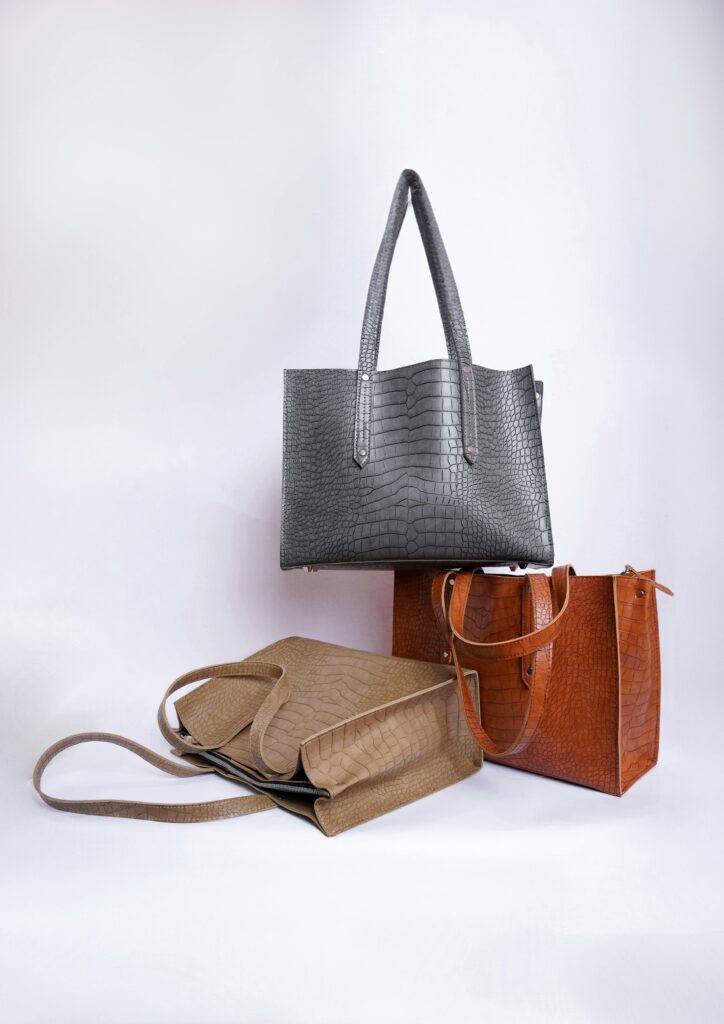
Leather and Suede Should Not Be Stored in Plastic Containers
Again, due to changes in temperature and humidity, leather and suede items, like handbags and jackets should not be stored in plastic. These containers seem like they should keep these items safe, when in actuality they can leave them with mold and odor issues. The best way to store these items is in a well ventilated area and in breathable, cloth bags for coats and dust jacket bags for handbags (some handbags come with these).
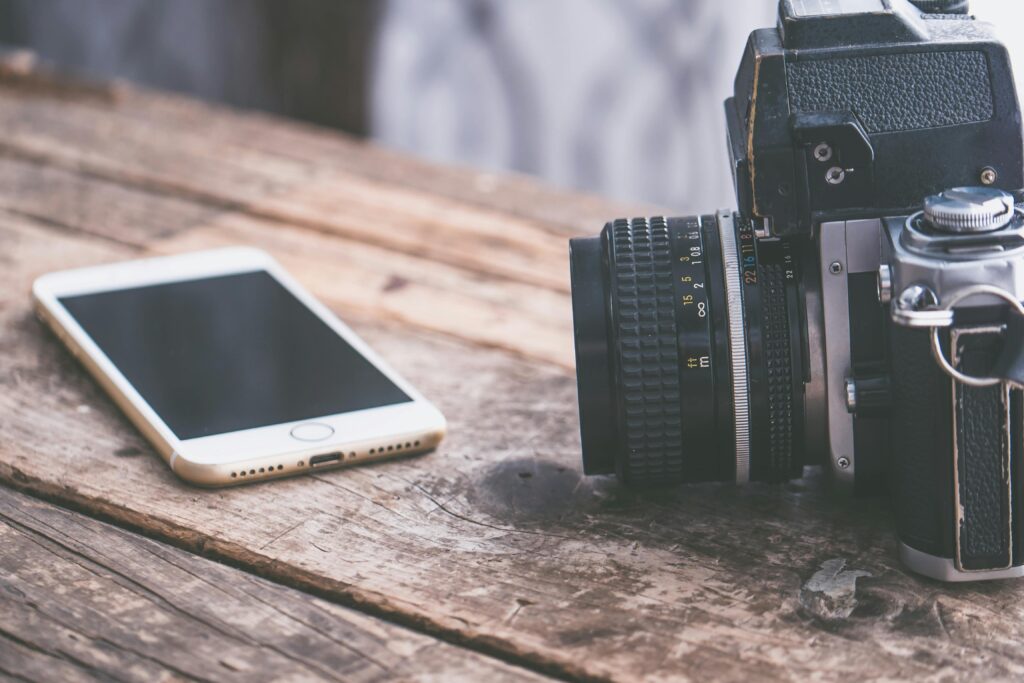
Electronics Don’t Belong in Plastic Either
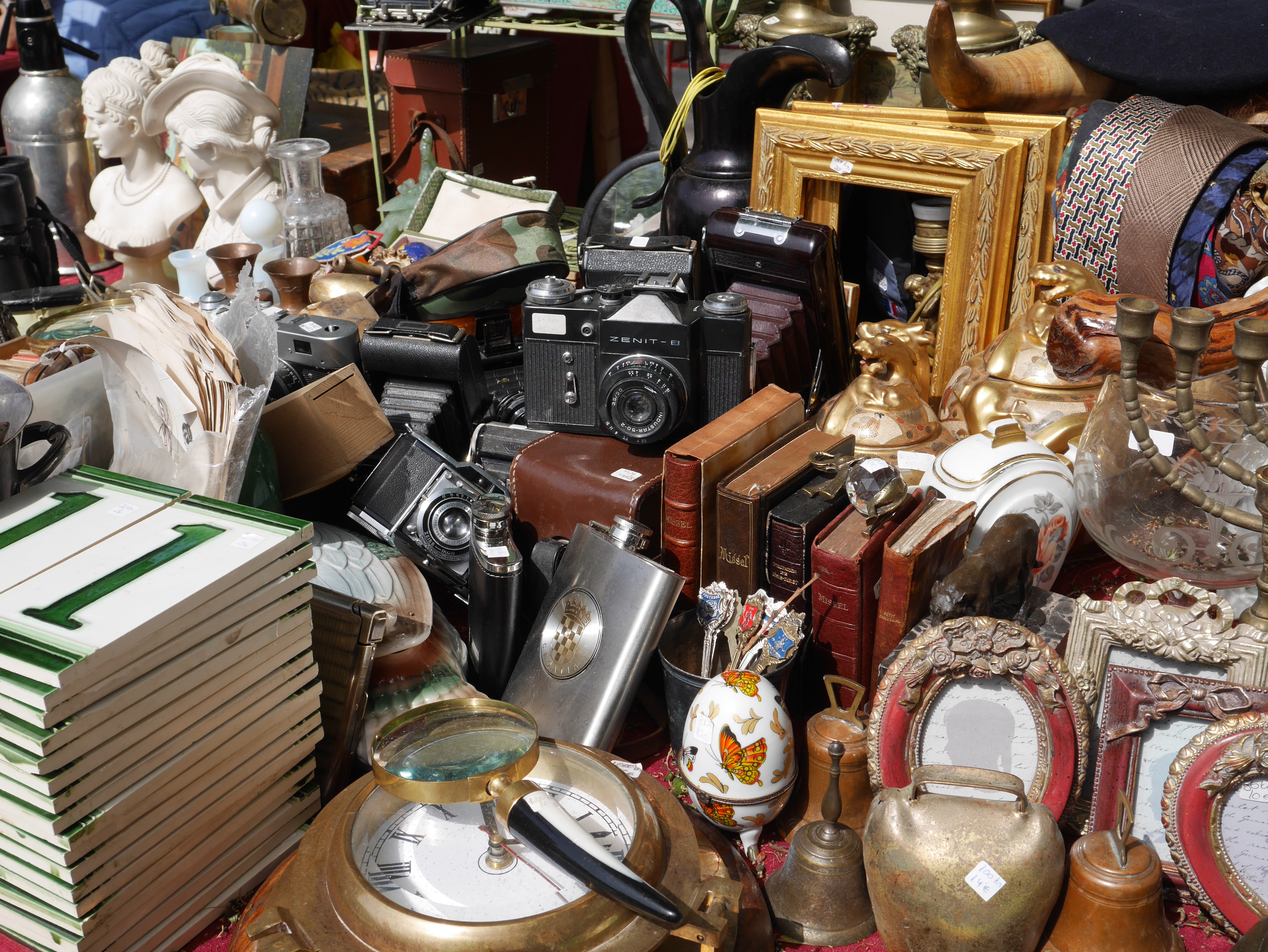
Electronic items, like cameras and cell phones, can be permanently damaged if they are stored in plastic containers. Changing moisture levels can cause corrosion. Again, as with leather and suede, a cool, dry place is best for storing these items.
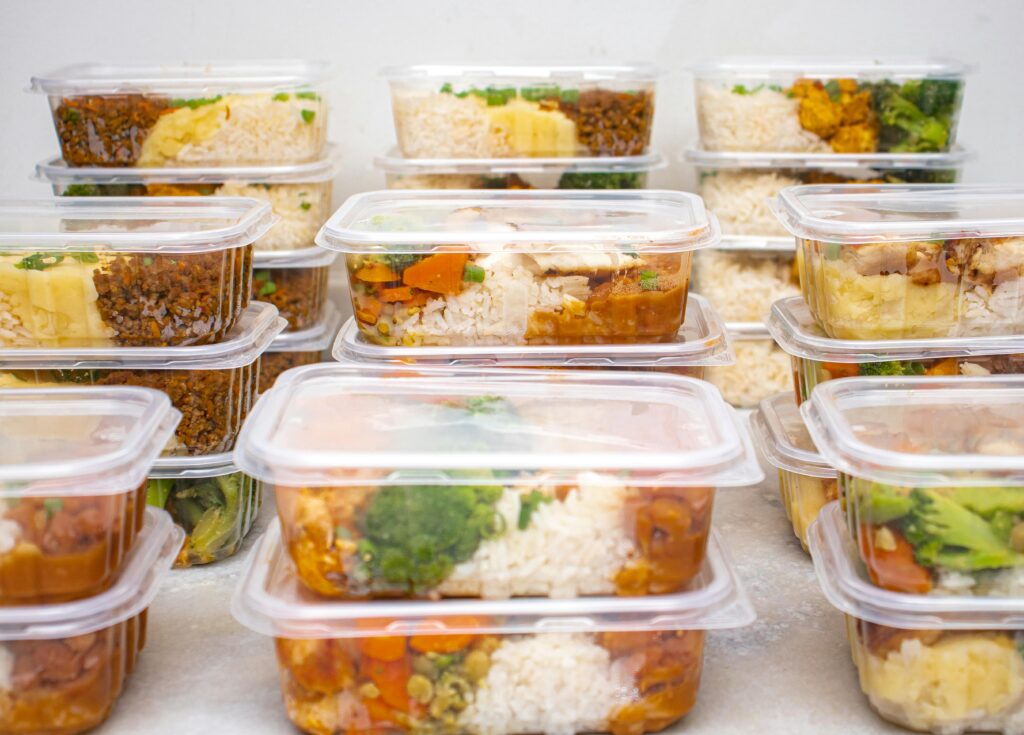
And Some Foods Too
Hot foods should be fully cooled before putting into plastic or you’ll warp or melt the containers. The heat breaks down the plastic and this can lead to serious health issues from micro-plastics and chemicals. Fatty and oily foods can do pretty much the same thing. They can breakdown the chemicals in the containers and then they leach into your food. Yuck. Best bets for hot, fatty and oily foods: stainless steel or glass containers.
Insider Tip: Consignment stores, like Consignments Ltd., often sell glass and stainless food containers. And they offer them at great prices too! That’s a win-win.
I hope you enjoyed these tips. If you’re still looking for more to read, check out my previous blogs like: What Is Grandmacore? And How to Get The Grandmacore Look and What to Collect on Vacation.
Have a lovely Sunday, my friends. Marianne
Disclosure: This post may contain affiliate links. If you make a purchase through these links, we may earn a small commission at no extra cost to you. To read our full affiliate policy, click here. Thank you for supporting our blog!

No Comments