
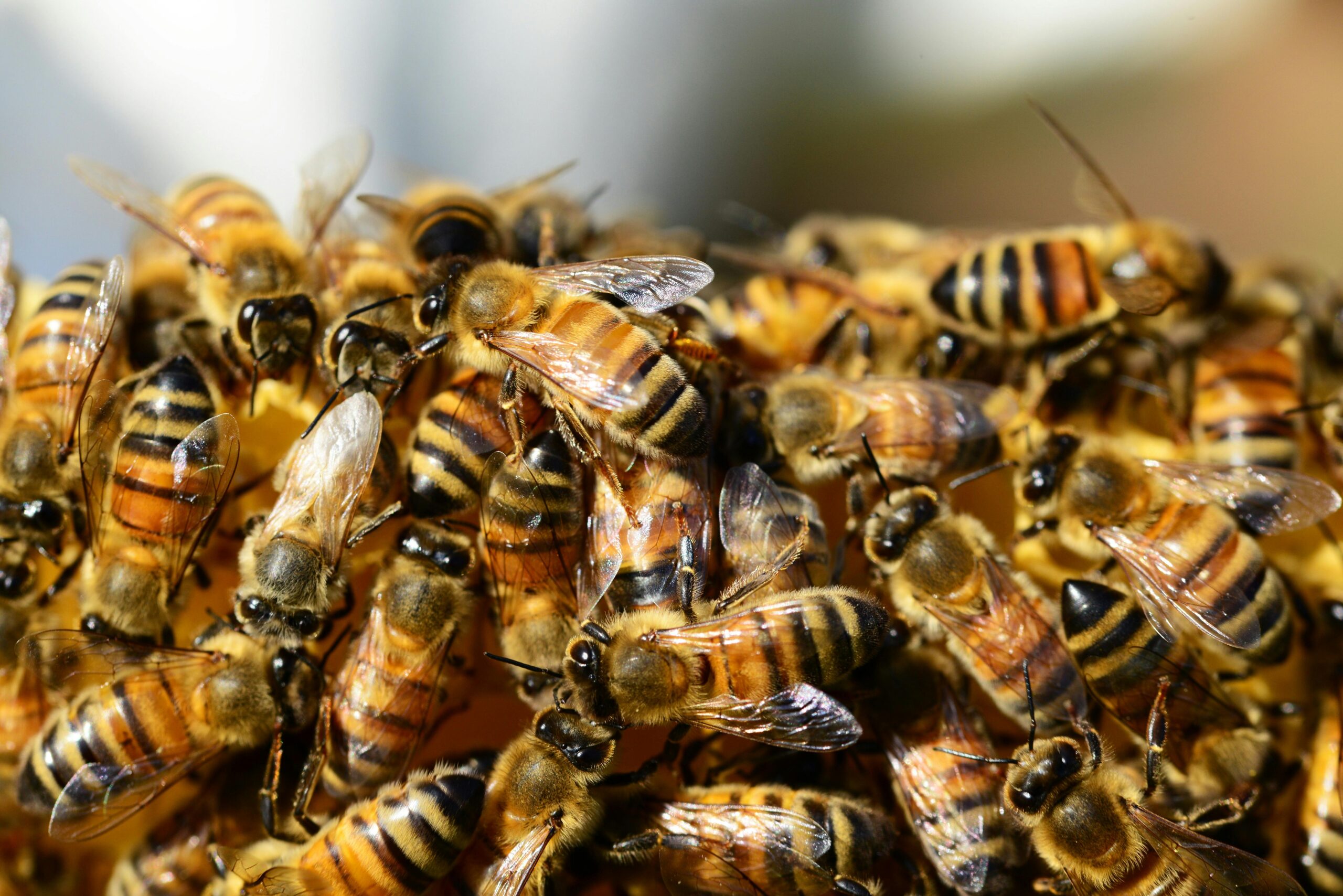
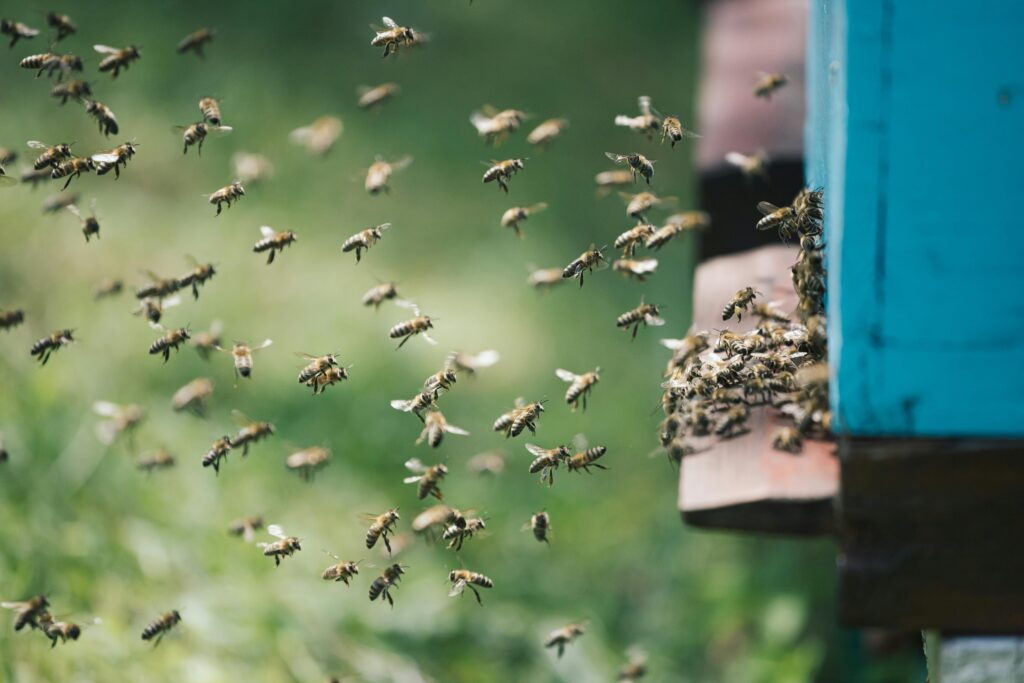
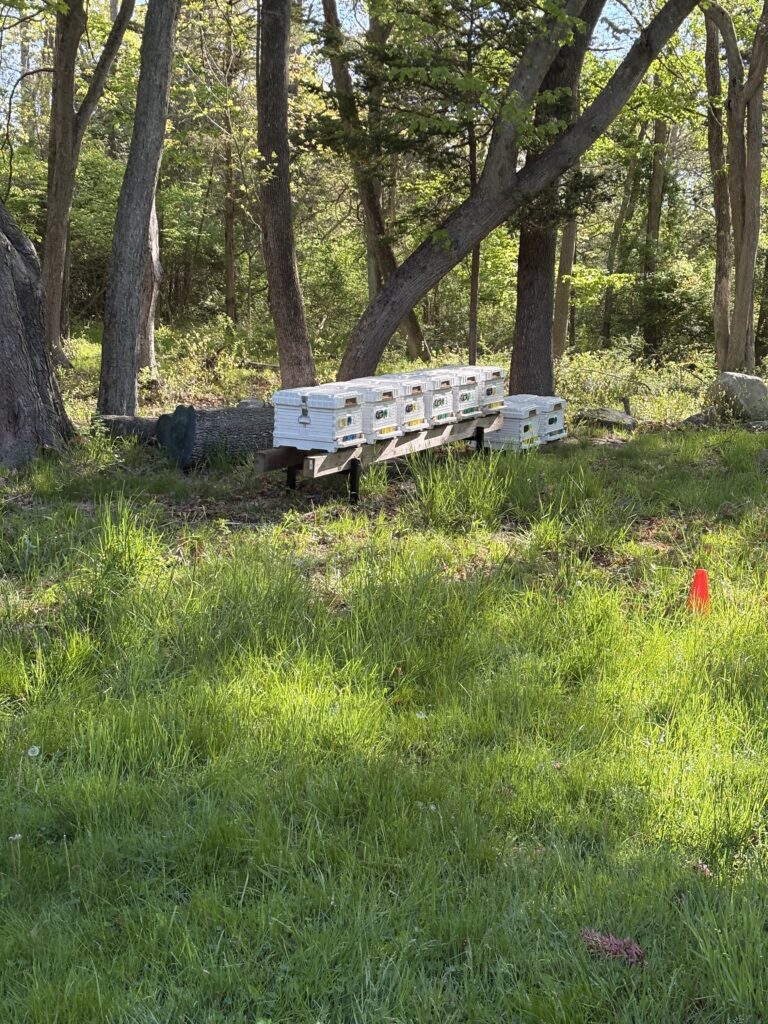
Bruce and I became foster parents two weeks ago. And it may shock you to hear that we have taken on not just one baby, but thousands, because our new foster babies are honey bees. We are very proud new parents! How this came about was accidental. I met a woman at my store and we started talking. She and her husband are bee keepers. We set up a visit with them. They checked out our property and said we had a perfect location for bees. Eight hives later, we are foster parents to approximately 144,000 bees. And we are learning through this experience, how to help the honey bee. You can help too, no foster-parenting required…
Why Help The Honey Bee
The world population of bees is in decline and has been for several decades. However, according to bee experts at the Food and Agriculture Organization (FAO) of the United Nations, “a third of the world’s food production depends on bees.” And with an ever-growing world population, food production is ever-increasing. This is a recipe for worldwide famine. This one fact alone should make people want to help the honey bee. And if that isn’t enough of a reason, consider the other things that bees provide, like honey and beeswax. And bees and beekeeping are vital to the livelihoods of many rural areas. A good start, huh?
Help The Honey Bee By Planting for Pollinators
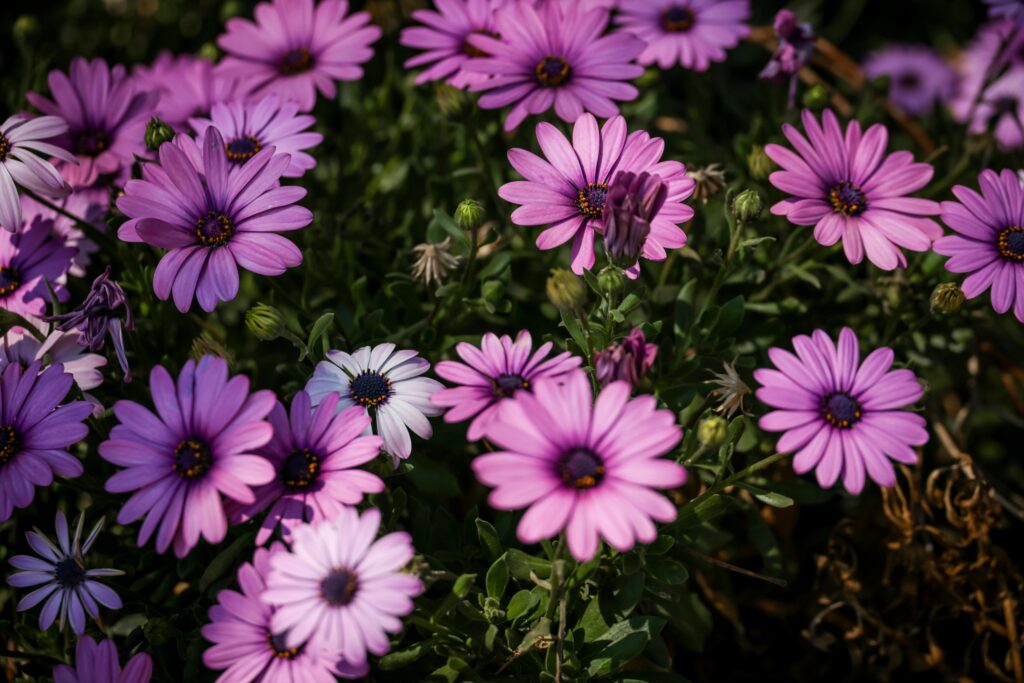
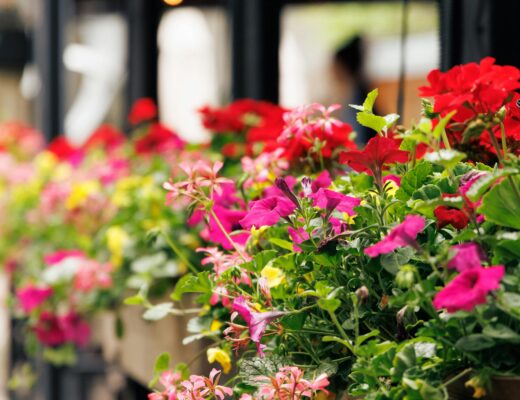
Honey bees need to eat from early spring through late fall. Even if you don’t have your own hives you can provide this food by what you choose to plant in your garden. Choose plants indigenous to your region. They will provide the best nutrition for local bees and will be the easiest to grow (pun definitely intended). You should also try to plant a variety of shapes and colors of vegetation. Bees especially love blue, yellow, and purple flowers.
Check with your state for a pollinator atlas that will help you plan ahead for planting bee-friendly plants, shrubs and trees, like this pollinator atlas for the State of Rhode Island.
Bee Friendly When Gardening
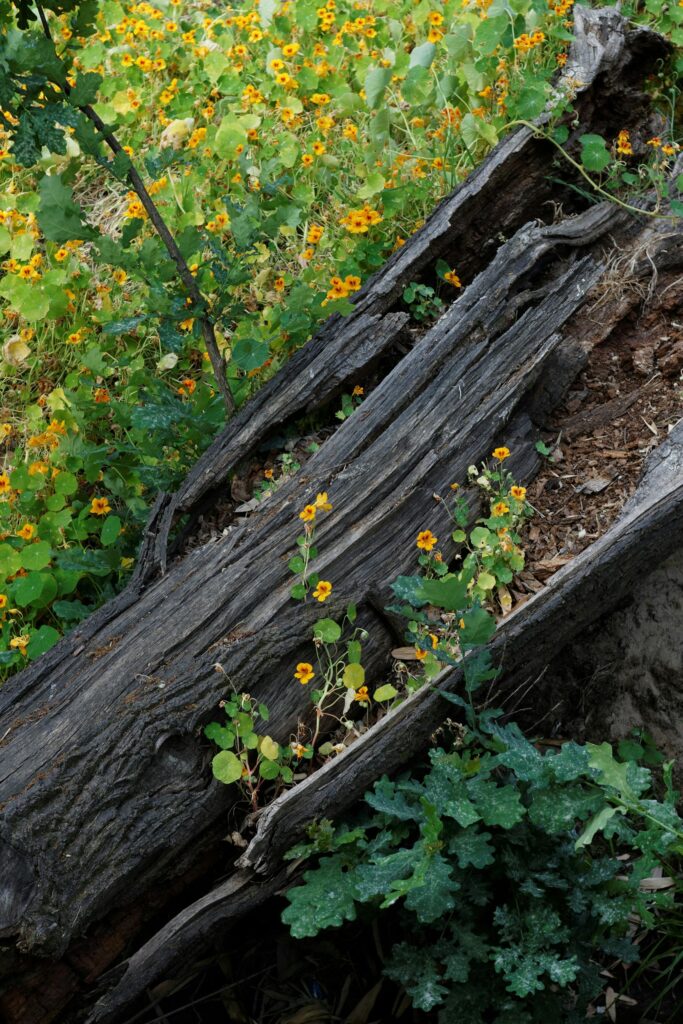
When you garden, you can help the honey bee by avoiding the use of synthetic insecticides and herbicides (especially neonicotinoids), which are toxic to bees. You can also help by NOT keeping everything neat and tidy in your yard. Allow small corners of your property to remain unkempt. Leave hollow stems, dead logs, and patches of bare soil for native, solitary bees to nest.
Reconsider How You Care For Your Lawn
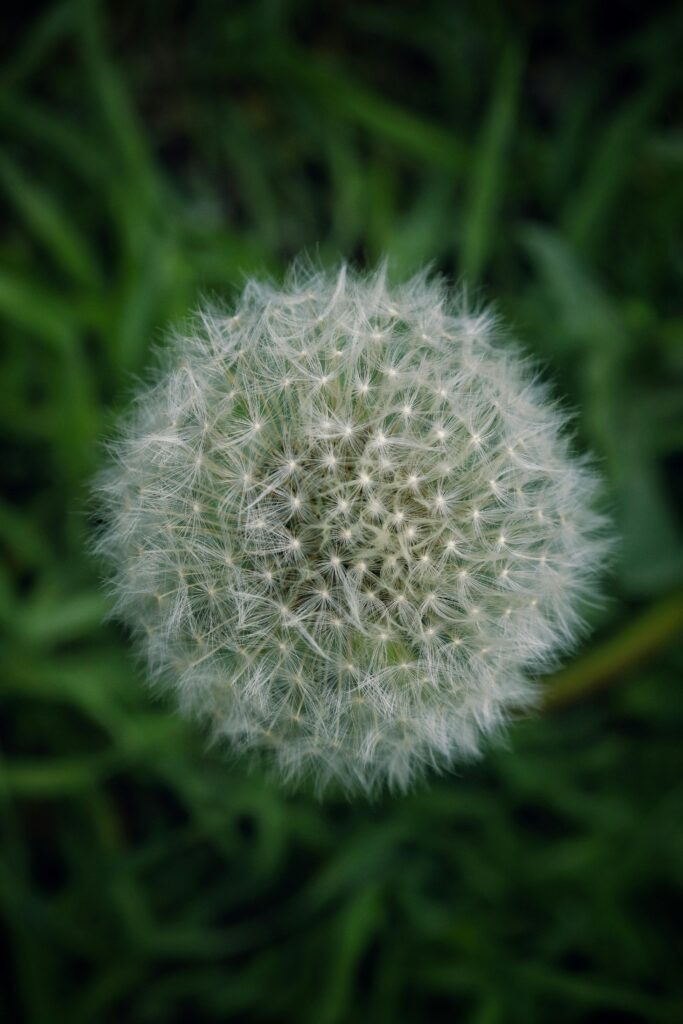
If you skip mowing the lawn now and then, especially in spring, and you let the dandelions and clover bloom, you will help the honey bee. Clover and dandelions provide essential early-season nectar and protein. Also consider going organic with your lawn care methods rather than chemicals for weed and grub control.
Provide a Water Source To Help The Honey Bee
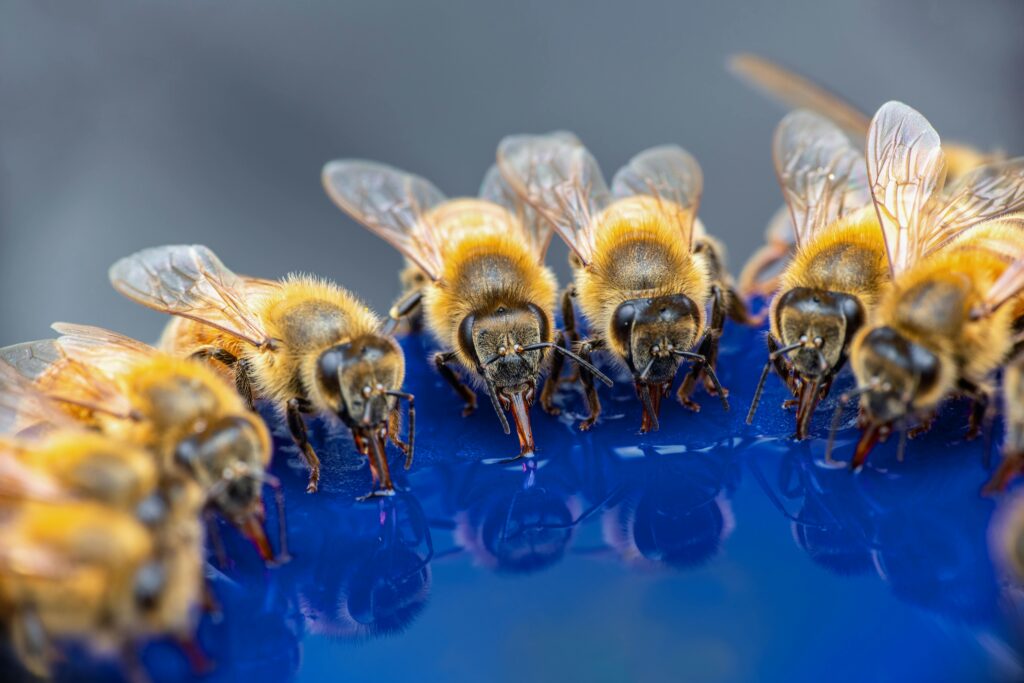
Bees need water to survive. Not only do bees get thirsty but they need water to cool their hives and dilute stored honey. How can you do this? And no, you don’t need to bring them a glass of water. Simply fill a shallow dish or birdbath with fresh water, and add rocks to break the surface, twigs, or marbles so the bees have a safe place to land and drink without drowning.
It’s that simple, for you to help the honey bees and thereby help the earth. And then your friends, can start calling you what my friend Sheila is now calling me: Queen Bee! Even if we all do it, I don’t think Beyonce has anything to worry about.
Have a bee-utiful day, my friends. Marianne
For more helpful topics, check out my previous blogs like: Tricks to Improve Your Memory and How to Be Good To The Environment When You Travel.



No Comments