

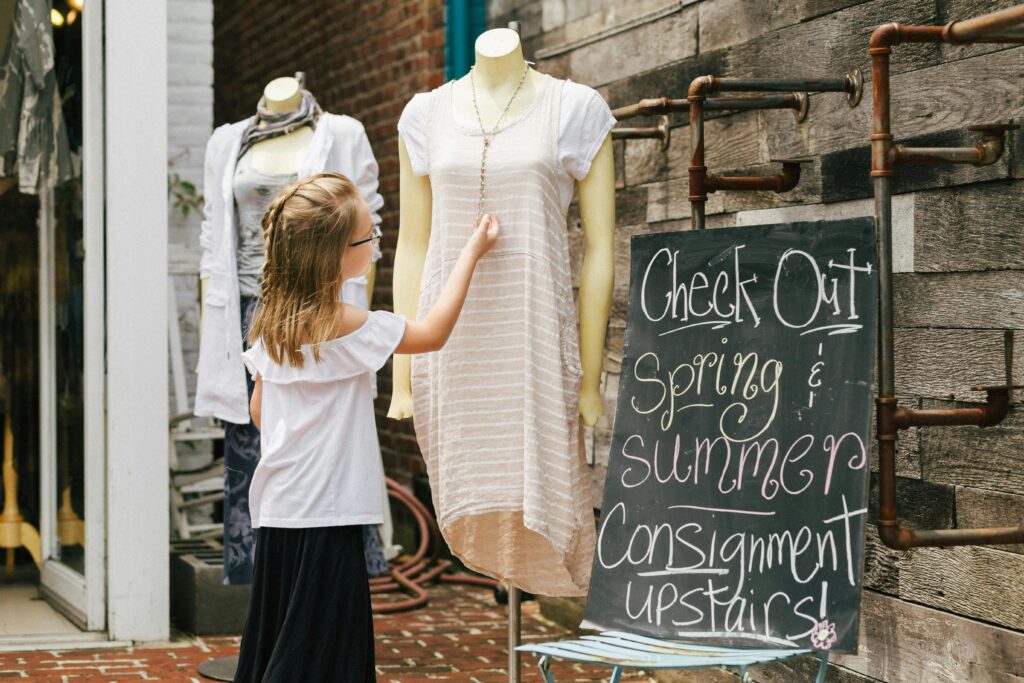
Consigning is a great way to turn unused items into cash. And who couldn’t use a little cash these days, right? But you could be missing out on the best possible result from this consignment adventure if you’re not curating your consignments before bringing them in. Here’s why…

When Curating Your Consignments Consider Limits on Number of Items
Most consignment shops, like Consignments Ltd., require appointments for consigning. And they place restrictions on the number of items you can bring to any one appointment. If you’re limited to four boxes of items, like at my shop, or 10 pieces of clothing like a clothing shop I frequent, wouldn’t you want to bring your best things in the best condition? For clothes that means making sure they are clean and free of rips, missing buttons, etc. For household items, check for cracks, soiling, tarnish and the like.

Seasonality Affects How You Should Be Curating Your Consignments
Our shop takes Christmas items starting September 1st. Yes, you read that right. It’s technically still summer when the onslaught of Santa’s and garlands begins. My customers book these appointments months in advance just to get their Christmas items in. But if they have an appointment in February and bring Christmas stuff, guess what? Yup. You guessed it. They get the items back. Paying attention to the schedule, therefor, maximizes the money you can make.

Curating Your Consignments Is All About Presentation
Curating, according to Webster, is “selecting, organizing and looking after the items in a collection or exhibition.” So if you think of curating your consignments in the same way as a museum curates its artwork, you’ll get where I’m going with this one. If you have several related small items, for example, maybe you group them together in one bag. Here’s what I’m talking about: The other day a consignor brought in her collection of cookie cutters. She’d grouped them together by type (Easter, geometric shapes, dinosaurs, etc.). This presentation helps them sell better for both of us. (She did get the Christmas ones back, however. LOL).
Another way that you can focus on the presentation of your consignment items is to make sure that items are labeled with what you know about them if it isn’t immediately clear. I don’t mean putting a note on every single thing you bring in. What you can do, however, is let the shop know something you know that they may not. For example: “This pottery vase purchased at XYZ Pottery, Camden, ME.” Or “this handbag is circa 1924.” Making it easier for the shop most often leads to more sales for you.
So, good luck curating your consignments before your next drop off. If you’re still looking for more reading material, check out my previous blogs, like: How Consignment Shops Set Prices and Best Time of Day To Visit Consignment Shops.



No Comments