

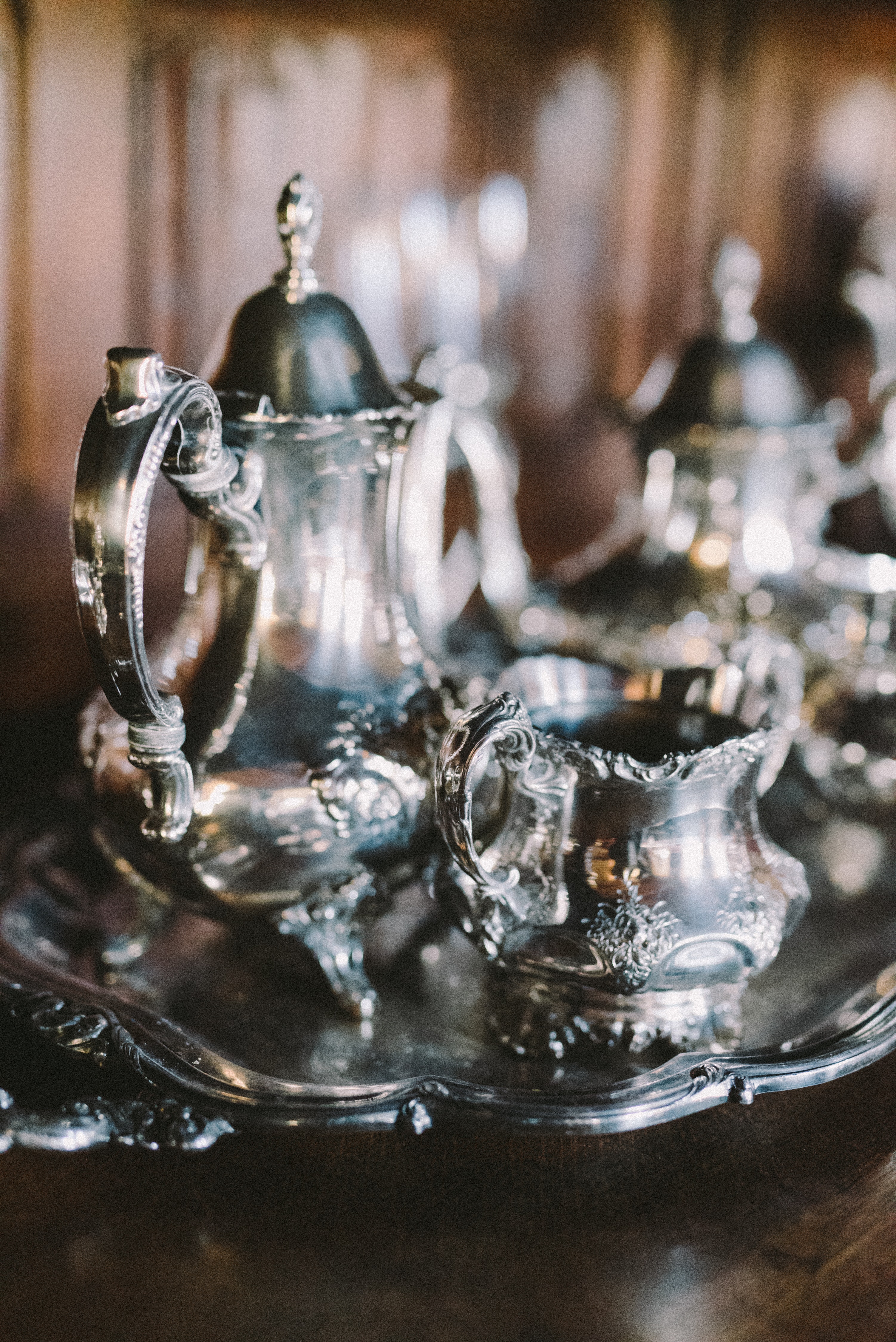
The price of sterling silver is up and by that I mean WAY UP! It’s chasing the gold price, that as of this writing has crossed the $5500 per ounce mark. At $119 an ounce for sterling (as of 1/29/26) it’s nothing to sneeze at. A lot of people have sterling silver laying around their home in jewelry and candlesticks, tea services and flatware. And now may be the time to do something about it. But what?
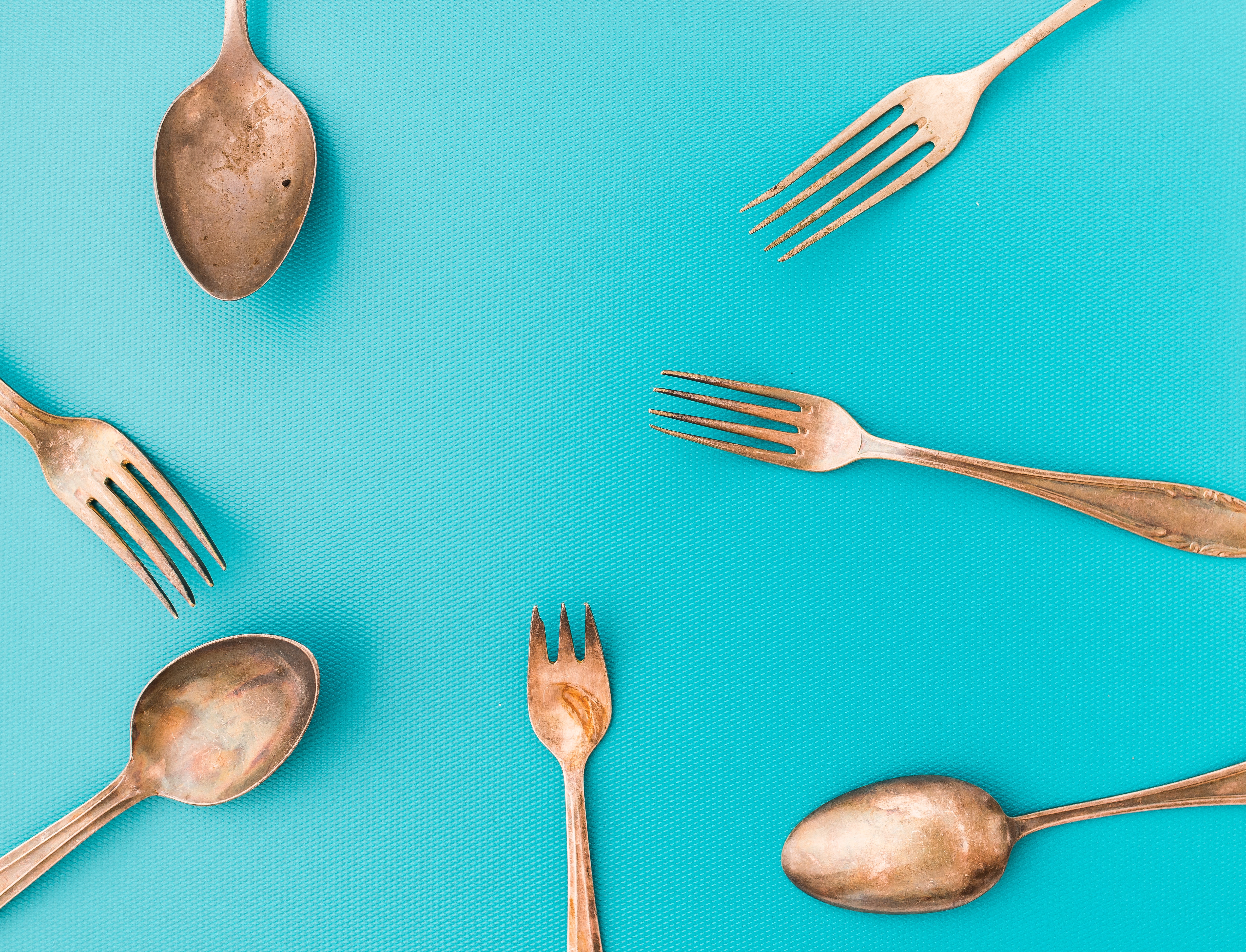
Before Deciding What To Do With Your Sterling Learn The Difference Between Sterling and Silver Plate:
People inherit silver flatware, candlesticks, tea sets and other household items and jewelry all the time. Whilst some are sure of what they have, others just don’t know. As we’ve said, sterling, right now, is quite valuable. Silver plate, although often quite beautiful, is not. So, how do you know what you’ve got?
According to the fine, British purveyor, Inkerman of London, sterling “..silver is a soft metal which is used to make jewelry and objects. Due to its softness, it is often mixed with a small amount of another metal to make it more durable and lasting, and in most cases, sterling silver is composed of 7.5% copper. For an item to qualify as solid silver, it must be 92.5% pure silver.”
Silver plate, on the other hand, “… is a term used when jewelry or other products (like flatware) are primarily made of other metals and coated with a thin layer of silver; the base metal is often brass. The item is made in brass and then dipped in a silver solution giving the item a silver appearance. As the silver is a coating it can be thin and is susceptible to fade over time, with both wear and tear and occasionally (from) over-polishing. Silver plate items will not have a 925 stamp or a hallmark.”
It’s In The Mark… Well, Maybe
According to MarthaStewart.com, “The first thing you should look for when you have or have found an item you suspect to be real silver, is markings like a stamp or hallmark. A silver object that is to be sold commercially is, in most countries, stamped with one or more silver hallmarks indicating the purity of the silver, the mark of the manufacturer or silversmith, and other markings to indicate date of manufacture and additional information about the piece.”
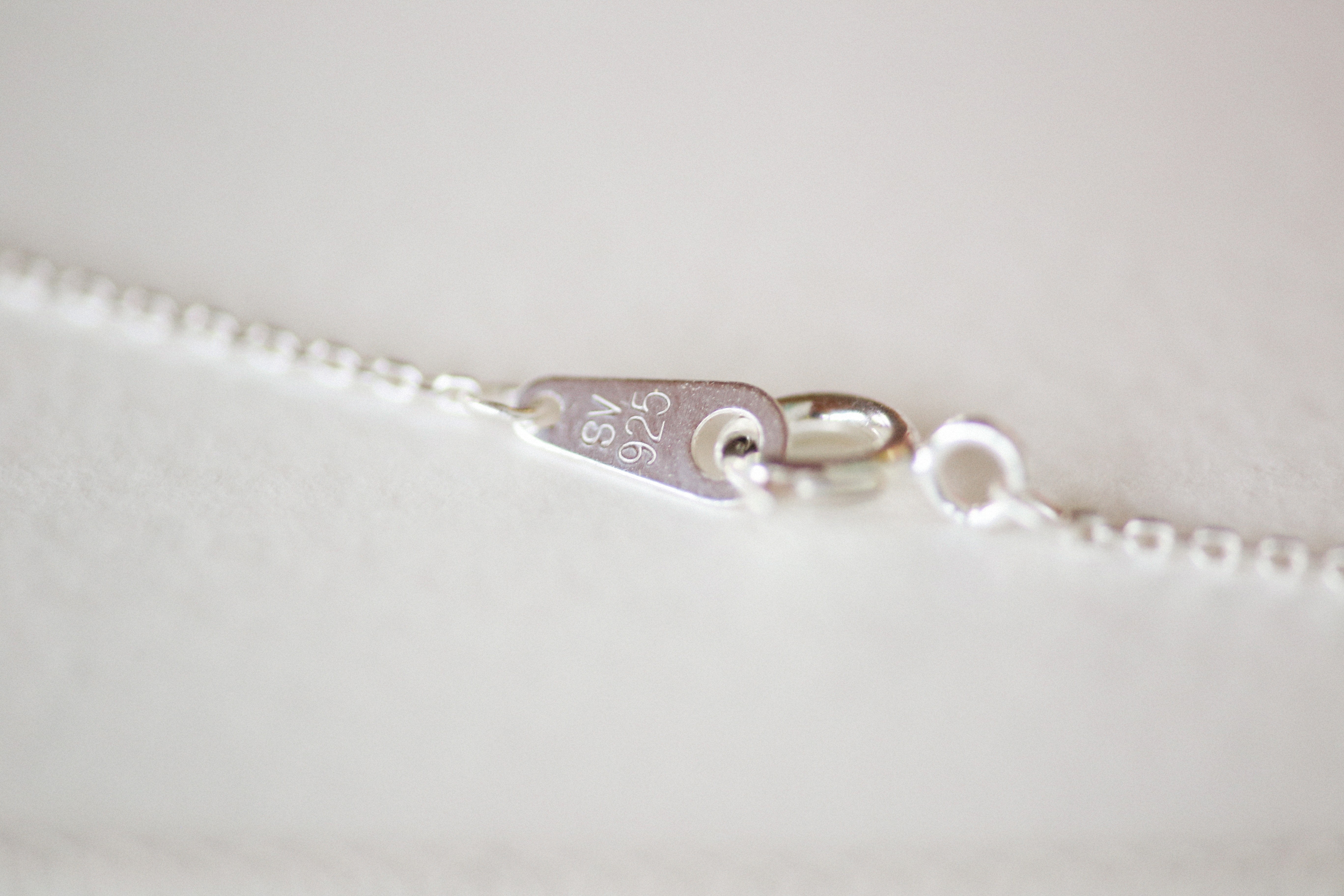
I would say this is true… mostly. Modern pieces made in th U.S. and elsewhere around the world will carry a mark like 925. This simply means that the sterling is 92.5% silver (consider “pure” silver). In Britain and other countries of origin, sterling can be marked 900 or 800, which also represents the amount of silver they contain. Silver plate will carry marks such as: EPNS, Electroplate, EP, Quadruple Plate, Triple Plate and Silver Plate or Silverplate.
It gets tricky, however, with hand-made pieces of sterling. Often, silversmiths who create objet d’art do not mark their silver content, even when they work in it. So how else can you tell the difference between sterling and silver plate?

If You’re Still Unsure, There Are A Few Tricks
There are a few ways to determine whether you have sterling or silver plate:
A Magnet
Silver is not magnetic. Iron, nickel, cobalt and other base metals, found in silver plate, have greater magnetism. If your magnet sticks, it’s probably not sterling silver.
A Polishing Cloth or Silver Wipes
Use silver wipes a silver polishing cloth on your piece. If no black residue appears, it’s probably not sterling silver. Polishing silver plate items will also result in residue, so this is only good for excluding items which are neither.
Your Nose
Sterling silver has no smell. If you smell the piece in question and you smell sulfur or a distinct metallic fragrance, it’s probably not sterling. Silver plate gives off these smells.
And An Ice Cube
Weird but true. Put an ice cube on top of the silver item. According to MarthaStewart.com, sterling “silver has the highest thermal conductivity of any common metal or alloy. Even at room temperature, authentic (sterling) silver products will melt the ice at an exceedingly rapid rate. If it melts fast(er), it probably is (sterling) silver.” Cool, huh?
So, if you don’t already know, get ready to figure out what Auntie Ida left you – sterling or silver plate. And if you’ve got sterling, consider these options:
- Melt It Down: Because sterling is so high right now, a lot of folks are going this route. You can take items to a dealer or shop that specializes in paying cash for precious metals. Be careful with this one, however. Make sure you’re going to a reputable dealer who’s very knowledge in this area and pays fairly.
- Hold Tight: Sterling may continue to go up for the foreseeable future. You may want to hang on to see just how high it may go.
- Keep It: Some sterling silver objects are just too sentimental or beautiful to destroy. Some forms we will never see again. So keeping your sterling as legacy objects is a legitimate decision.
- Move It Along Through Consignment: While consigning your sterling does not guarantee it won’t be melted down by the end user, it certainly gives it a better chance. Stores, like Consignments Ltd., have loads of customers who collect sterling for the sake of its beauty and functionality. You make money selling the sterling (at market prices) but also get a chance to give joy to another user.
Interested in reading more on value? Check out these previous blogs: How To Tell A Handmade Persian Rug From A Machine Made Rug and How Consignment Shops Set Prices.
Have a sterling Sunday, my friends. Marianne
Disclosure: This post may contain affiliate links. If you make a purchase through these links, we may earn a small commission at no extra cost to you. To read our full affiliate policy, click here. Thank you for supporting our blog!



No Comments